If you've been to a doctor about headaches, you've probably been told to keep a headache diary.
If you're like most patients we've talked to, you tried it for a few weeks and stopped.
This pattern keeps coming up while we've been building 76 Health. The tool that nearly every clinician recommends — and that the published evidence consistently supports — is the tool nearly no patient sustains.
The issue isn't motivation. The issue is that most of the headache diaries patients are handed are designed in a way that makes them genuinely hard to keep up with.
We've been thinking about what a usable headache diary would look like. Here's some of what we've learned.
Why diaries matter in the first place
The clinical case for a headache diary is straightforward. Headache patterns are hard to remember accurately. By the time you sit down with a clinician, the details of last week's headache — how severe, what triggered it, what you took, what helped — have collapsed into a vague impression.
Decisions about whether to escalate to a preventive medication, switch abortive medications, refer to physical therapy, or add a behavioral intervention depend on patterns that the chart visit can't capture by itself. The diary is supposed to bridge that gap — giving the clinician real data about what's been happening between visits.
The problem is that the diary as it's usually delivered doesn't work for patients living real lives.
What goes wrong with most headache diaries
A few patterns we keep seeing.
The diary is too granular. Patients are asked to log hourly or every few hours, capturing pain intensity on a 0-to-10 scale, what they were doing, what they ate, what the weather was like, what their sleep was like. By day three, the act of logging starts to take more cognitive effort than the headache itself.
The diary is too sparse. The alternative version asks only for date and intensity. That captures almost nothing useful. There's no pattern data to act on — just a list of bad days.
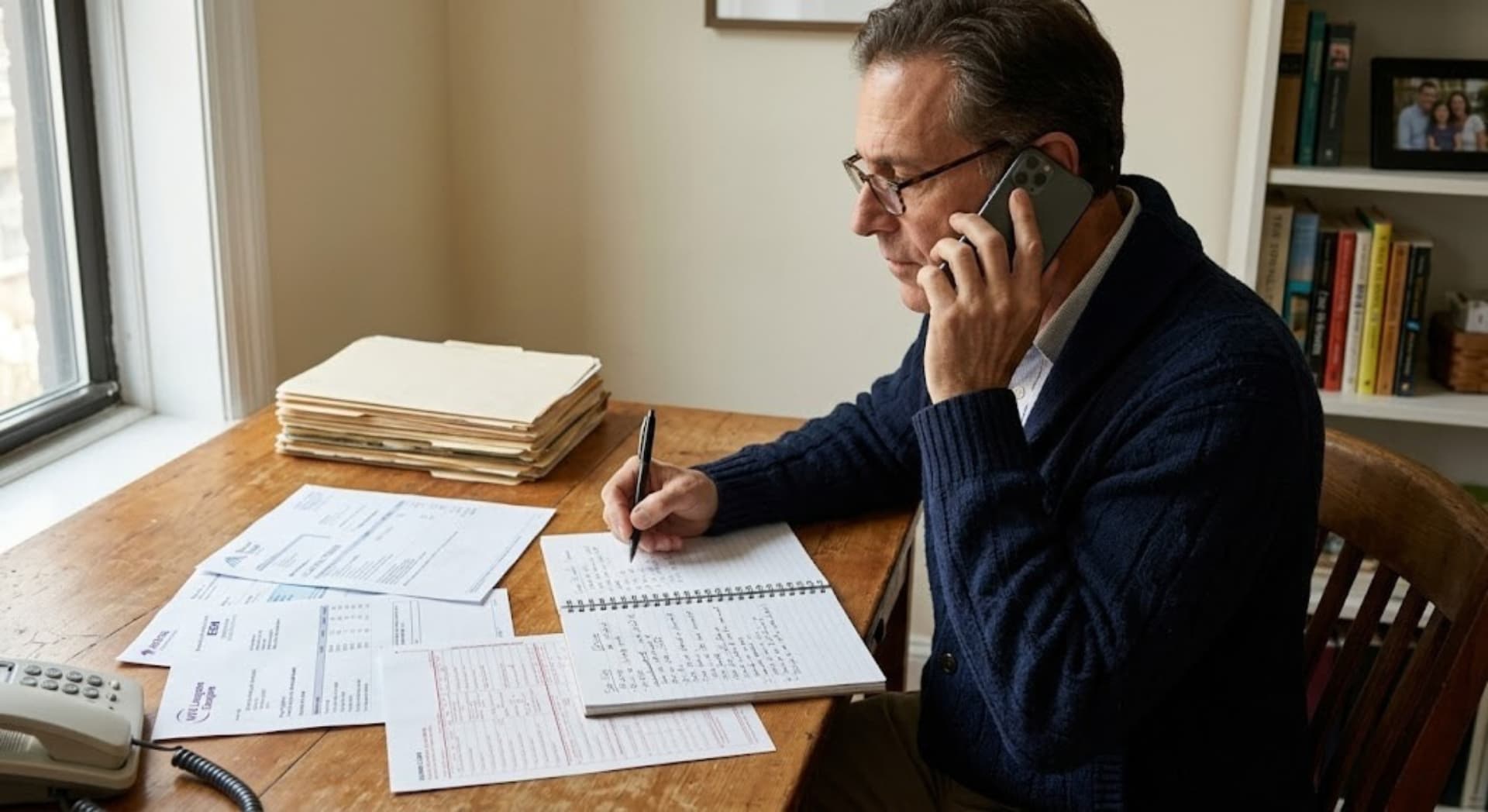
The diary lives on paper. By the next visit, the paper has been lost, the entries have been entered retroactively from memory, and the value of the original captured data has evaporated.
The diary asks the wrong questions. Most paper diaries ask about pain intensity but not about triggers, function, sleep, stress, or medication response. The data captured isn't the data that informs treatment decisions.
The diary isn't connected to anything. The patient fills it out. The clinician glances at it for thirty seconds at the next visit. Nothing systematic happens with the data.
The result is a lot of failed diaries and a lot of patients who feel like they're bad at this, when really the tool wasn't built for them.
What a working diary captures
The published literature on headache management has been pretty consistent about what data actually drives better decisions. A workable diary needs to capture, at minimum:
- Frequency — how many headache days per week, per month
- Severity — but on a workable scale, like 1-3 (mild, moderate, severe), not 0-10
- Location and quality — where the headache is and what it feels like
- Duration — how long it lasted
- Triggers — what was different about that day
- Medication response — what you took, when, and whether it worked
- Function impact — whether you missed work, missed activities, or had to lie down
That's a lot more than most paper diaries ask for. But it's also what gives a clinician something to actually adjust the plan around.
What a workable cadence looks like
The other thing we've been learning is about cadence.
Asking patients to log hourly is too much. Asking only at the next visit is too little.
What seems to work better is a brief end-of-day entry — five to ten questions, takes a minute or two — capturing what happened that day in just enough detail to be useful when aggregated across weeks.
For patients with frequent headaches, the daily cadence yields rich data. For patients with episodic headaches, the entries can be event-based — log when a headache happens, log a baseline state when one doesn't.
The other important piece is that the data needs to be visible to the patient, not just to the clinician. Patients who can see their own patterns — their frequency curve over time, their trigger correlations, their medication response — are more engaged with managing the condition. The diary becomes a tool they use, not a chore they perform for someone else.
What we've been thinking about
One of the operational pieces we keep coming back to in our migraine work is what the right headache diary actually looks like — and how it gets sustained.
A diary that's too heavy doesn't get done. A diary that's too light isn't useful. A diary that lives in isolation from the rest of the patient's care doesn't change anything.
We don't have this fully figured out. The patients we're working with are helping us learn what cadence, what questions, and what feedback loop actually fit into their lives.
But the principle is consistent. The headache diary, done well, is one of the most underrated tools in chronic headache care. It captures what the visit can't. It informs the decisions the clinician needs to make. It gives the patient a sense of their own pattern.
The work isn't convincing patients to keep one. It's building one they can actually keep — and connecting it to a team that actually uses the data.
That's where we keep landing.
Sources: American Headache Society 2019 clinical guidelines; published literature on headache diary tools and chronic headache management.
Newsletter
Get thoughtful health notes
Practical guidance on recovery, chronic pain, and coordinated care — sent occasionally.